
VIP member
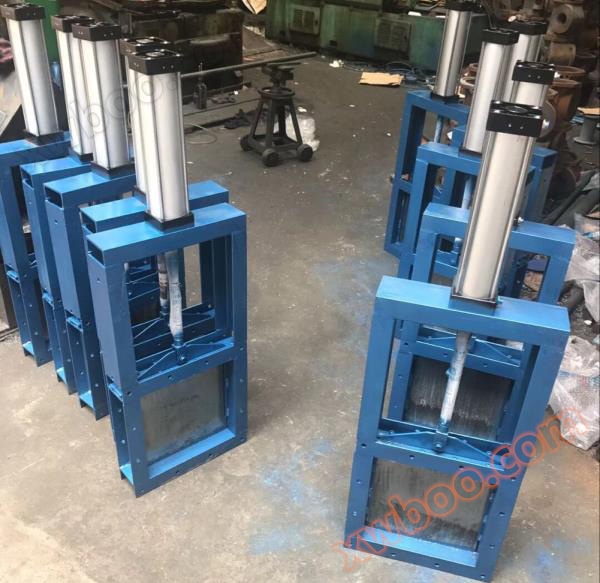
Pneumatic sliding door
Product Details: Pneumatic Sealed Plug in Door Panel with Metal and Non Metal Double Sealing: The door frame is equipped with a compressed air blowing
Product details
Product DetailsProduct Feature
-
The pneumatic sealing plug-in door panel adopts both metal and non-metal materials with heavy sealing: the door frame is equipped with a compressed air blowing device, which not only removes accumulated dust, but also plays a dual role in air sealing. There is a sealing groove along the entire exterior of the door frame, which is equipped with a silicone sealing ring, adding a dignified outer sealing line (also known as the third seal) to the pneumatic quick closing door series of pneumatic sealing plug-in doors.
The pneumatic sealing plug-in door series is equipped with two quick change pipe joints on the pneumatic quick closing door, which are used to connect compressed air pipes on site. When the door panel is about to close in place, compressed air blows the slot to avoid the door panel getting stuck due to dust accumulation in the groove.
The end face of the door panel adopts a knife shaped curve, which enables the door panel to self clean the groove while moving forward, avoiding jamming, crawling, and even slag inclusion caused by dust accumulation.
The material of the upper and lower door frames of the pneumatic sealing insert plate door is 35 # cast steel. In order to avoid medium leakage caused by door frame deformation, the door frame is subjected to tempering heat treatment after initial processing to eliminate its internal stress, so as to maintain the door frame from deformation under long-term operating conditions.
Pneumatic sealing insert plate doors, pneumatic high-temperature insert plate doors, and the first pipeline brand pneumatic sealing insert plate isolation doors are ensured to:
1. Good sealing performance, no leakage, no jamming, no slag inclusion, and no crawling phenomenon;
2. It has active and passive cleaning functions;
3. The plug-in door has self-locking protection function, which is stable and reliable.
4. Able to withstand repeated changes in large temperature differences without deformation;
5. The service life cycle of the plug-in door is more than one major maintenance cycle (four years).
Online inquiry
-
Contacts
-
Company
-
Telephone
-
Email
-
WeChat
-
Verification Code
-
Message Content
-