
VIP member

Network blind filling scheme using LTE Relay 12
Network blind filling scheme using LTE Relay 12
Product details
Network blind filling scheme using LTE Relay 12
Background of demand
At present, the LTE network construction strategies of various domestic operators are shifting from broad coverage to deep coverage. However, due to the mainstream operating frequency band of LTE networks in China being between 1.8 and 2.6 GHz, higher operating frequency bands will inevitably introduce higher propagation path losses compared to existing 2G and 3G networks, which increases the difficulty of LTE network deep coverage construction; In addition, in some remote areas, due to limited construction conditions, it is impossible to lay optical cable lines, resulting in the inability to build base stations or the inability of completed base stations to operate normally. These problems have led to weak and blind coverage of LTE networks.
RelayIt is a new technology introduced into the LTE network that can effectively extend the coverage capability of the LTE network. At the same time, because relay based base stations mainly rely on wireless technology to achieve data transmission, they can be deployed in scenarios where wired transmission resources are limited, thus solving the problem of inability to build stations due to short transmission resources and playing a huge role in future LTE network construction.
Blind compensation scheme for operator networks based on LTE Relay
RelayA base station generally consists of two parts: an "access unit" and a "backhaul unit". The access unit is used for terminal device access, while the backhaul unit is used to provide wireless backhaul to the access base station. Its working principle is that LTE Relay is connected to the EPC (core network) through LTE signals released by macro base stations, and is directly connected to micro base stations, thereby achieving interaction between micro base stations and EPC (core network). When transmitting data, for the downlink, EPC first sends signals to LTE Relay through macro base stations, and then forwards them to terminal devices through micro base stations. For the uplink, the terminal device first sends the signal to the micro base station instead of directly sending it to the macro base station, and then forwards it to the macro base station through LTE Relay, and then forwards it to EPC through the macro base station.
In this scheme, the macro base station is responsible for the coverage of the main area, while the relay base station is responsible for providing blind coverage to areas that are not covered by the macro base station. The "receiving unit" of the Relay base station is a miniature base station responsible for LTE coverage in blind spots and access to terminal devices within the blind spots; The 'backhaul unit' is the core device LTE Relay terminal of this scheme, responsible for communication between micro base stations and macro base stations.
LTE RelayThe data transmission between the macro base station adopts VPN tunnel encryption to ensure the security and reliability of the data. At the same time, LTE Relay devices comply with the latest specifications of LTE, ensuring the stability and efficiency of data transmission through high-speed data transmission and high device reliability.
Due to its convenient construction and low construction cost, Relay base stations can not only be used for regional blind filling, but also for system expansion. Compared to macro base stations, the number of terminal accesses for micro base stations is definitely limited. But even for macro base stations, there are times when the number of terminal accesses tends to be saturated in areas with high population density. At this point, if several relay base stations are built in the area that can be covered by the macro base station, end users can communicate by first accessing the relay base station and then accessing the macro base station. This effectively reduces the access pressure of macro base stations and expands the system.
System network topology diagram

Program features
1.Expand the coverage range of wireless signals;
2.Reduce the propagation distance of wireless signals and improve signal quality;
3.Enhance system capacity;
4.The data tunnel is confidential, secure and reliable;
5.No need for a computer room, construction cost;
6. Small in size and easy to install.
Introduction to the core device LTE Relay in the plan
The core equipment in the plan is the LTE Relay terminal device independently developed by Bote Data Communication for the public network of operators. The device is a high-performance Relay terminal customized for the industry, integrating LTE modem, router, and access point functions, while supporting tunnel encryption function, providing a secure and reliable data transmission method for the network coverage of operators; The device has a built-in high gain directional antenna, adopts IP66 protection level, supports unified management by network management, and supports 7x24 unmanned operation and other functions.
exterior view
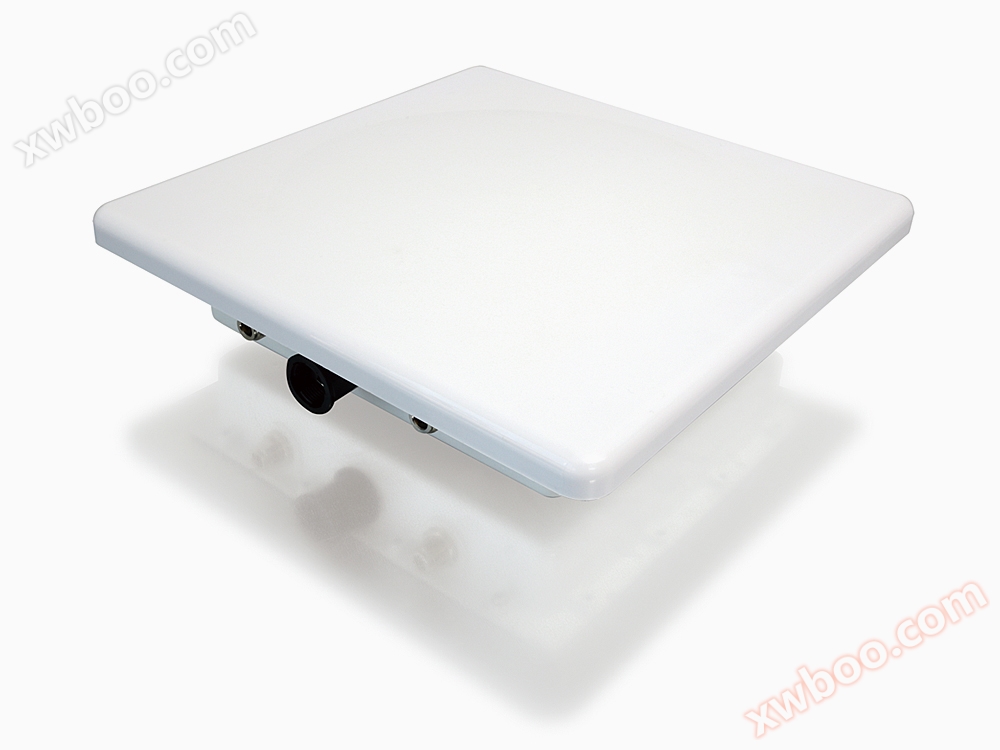
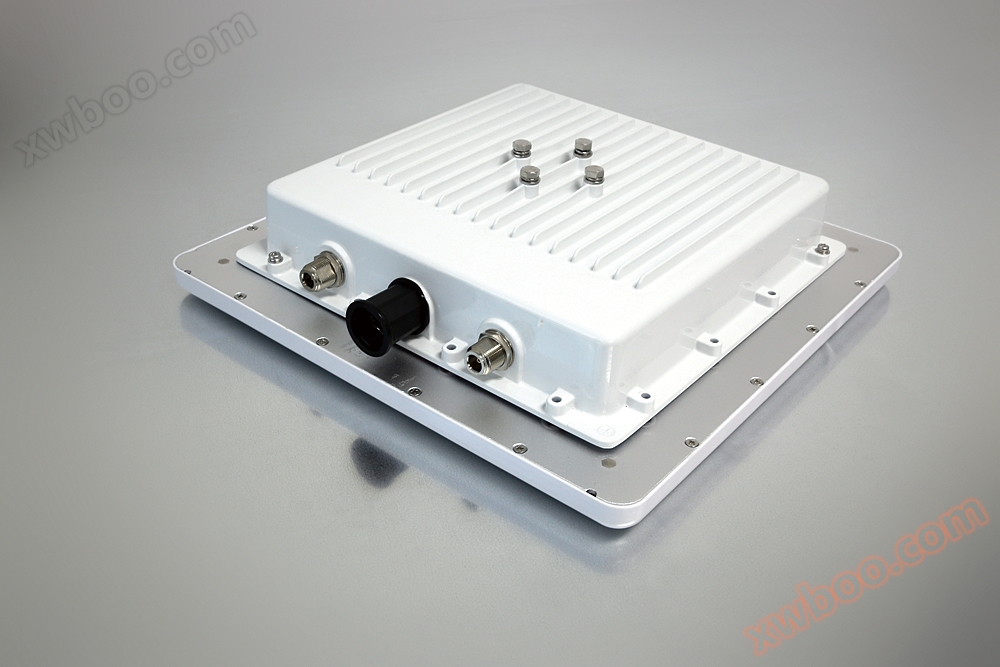
Product Features
High speed wireless transmission:The product is based on the 4G TD-LTE international standard, supporting a maximum transmission rate of DL: 100Mbps, UL: 50Mbps, and supporting 2 × 2 dual antenna MIMO technology. The downlink MIMO transmission supports TM1/2/3/4/7/8 mode, and the uplink transmission supports single antenna port transmission mode;
High adaptability:IP66Protection level, -40-70℃ working temperature, built-in high gain TD-LTE antenna,Capable of working in harsh outdoor environments.
High reliability:Adopting dual protection of software watchdog and hardware watchdog, providing multi-level link detection mechanism and automatic fault recovery mechanism.
High security:Supports VPN features such as GRE, L2TP, and IPsec.
Functional universality:Equipped with routing management, configuration import and export, dynamic domain name resolution, firewall NAT、PAT、DMZ、DHCP、 Basic functions such as multiple IP settings, link backup, and network status monitoring.
Efficient use:Traffic management technology and intelligent bandwidth allocation technology; Support SNMP protocol and customized protocol network management software, one click reset; Equipment configuration free.
Easy to maintain:It can support remote automatic software upgrades without the need to replace hardware or manually operate the terminal to add new features.
Customized development:Customized development functions can be developed according to industry requirements.
Online inquiry
-
Contacts
-
Company
-
Telephone
-
Email
-
WeChat
-
Verification Code
-
Message Content
-