VIP member
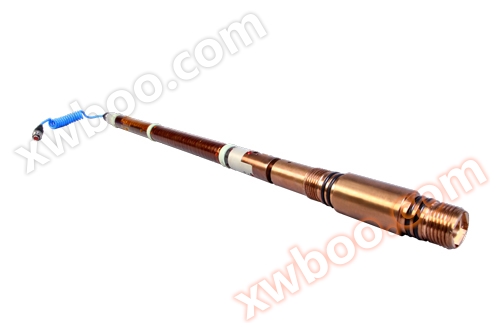
Natural gamma ray instrument
The natural gamma ray instrument is the most widely used instrument in wireless logging while drilling (LWD) operations. Rocks in nature contain varyi
Product details
The natural gamma ray instrument (GS-GR) uses specialized crystals to convert gamma rays into photons, which are then processed by photomultiplier tubes and counted by professional counting circuits. According to standardized measurement standards, they are converted into the commonly used counting unit data in the petroleum industry.
The natural gamma count reflects geological information.
By interpreting the trend of natural gamma ray changes, combined with trajectory design, wellbore data, etc., it is possible to determine whether to enter the reservoir, which is a very important geological confirmation data for controlling instrument entry windows.
After entering the reservoir, gamma data can provide feedback on whether the current drilling trajectory is within the reservoir. Once it deviates from the reservoir, it can be quickly reflected and interpreted by geological engineers to readjust the drilling trajectory and return to the reservoir.
In exploration well operations, natural gamma instruments can display geological data, determine whether there is an oil reservoir, and determine the thickness of the reservoir, providing geological data for later development decisions.
product image

The Zetian Shenghai Natural Gamma Ray Instrument (GS-GR) has been widely used in directional and horizontal well operations, with stable performance and accurate data reflecting geological changes. It is an important reference for geological engineers to conduct geological guidance control in drilling operations.
In the Wusheng area of Guang'an, Sichuan Province, natural gamma instruments were used for the first time in drilling operations during the Women's Deep 002-H9 operation. Due to the complexity of the geological strata in this area, including faults and differences in the strata between adjacent wells, the designed trajectory often differs from the actual strata, which affects drilling encounters
 Rate. The purpose of using gamma instruments is to detect geological data at any time during drilling operations and adjust trajectories based on actual geological conditions.
During the window entry stage, there was a significant change in gamma data between the two formations, which conforms to the data change pattern during design and indicates correct window entry.
When entering the horizontal section, according to the original trajectory, there was an increase in gamma curve, which was interpreted as reservoir deviation. After analysis by geological engineers, the trajectory was readjusted and returned to the reservoir; Afterwards, similar situations were encountered again, and the drilling trajectory was adjusted again to return to the formation.
Afterwards, through well logging analysis, it was found that the formation had bends and faults, and the gamma curve accurately reflected these locations, assisting geological engineers in locating the reservoir position and greatly ensuring the drilling encounter rate.
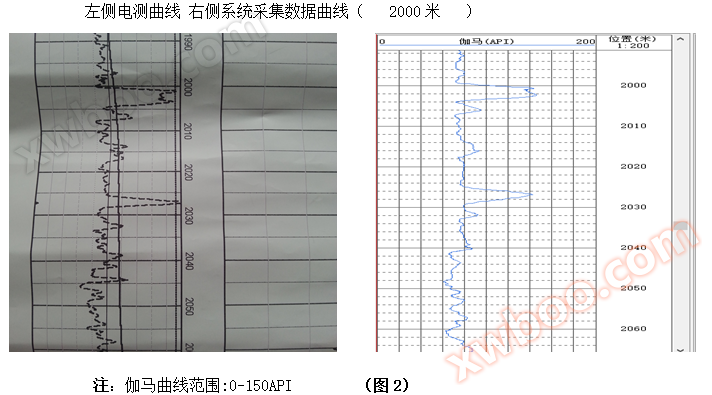
The GS-GR natural gamma instrument has operated over 100 wells with good results. It has detected geological changes that were not predicted during the oil well design phase multiple times, and geological engineers have adjusted their trajectories accordingly to ensure the drilling encounter rate of the reservoir.
Online inquiry
-
Contacts
-
Company
-
Telephone
-
Email
-
WeChat
-
Verification Code
-
Message Content
-