
VIP member
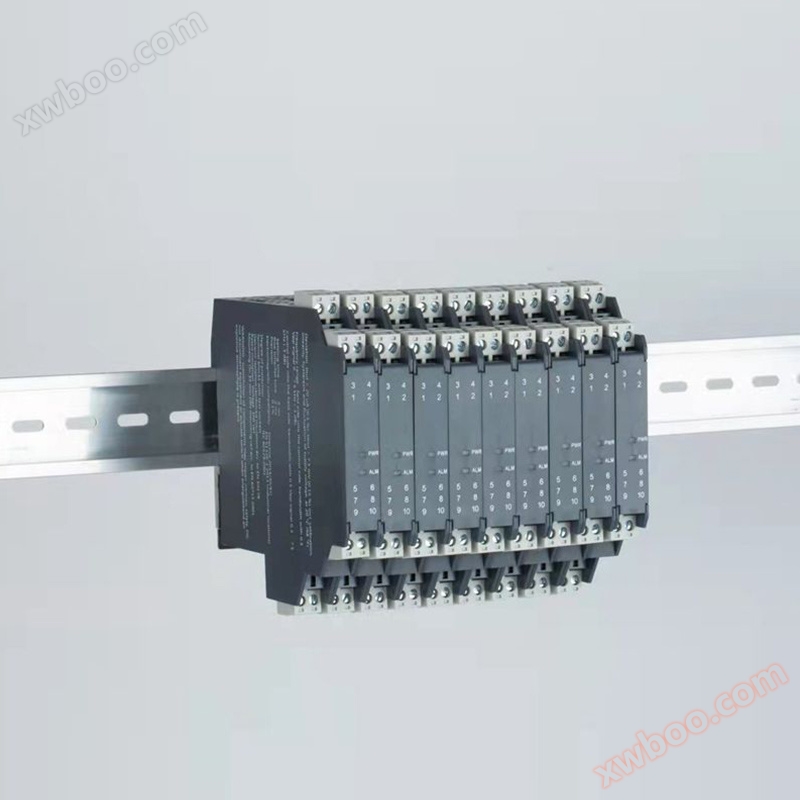
LYA-Z thermal resistance isolation safety barrier
The main function of the LYA-R series thermocouple resistance isolation safety barrier is to receive thermocouple signals from the hazardous area on s
Product details
1、 The function and working principle of thermal resistance isolation safety barrier:
-
Working principleThermal resistance isolation safety barrier utilizes the characteristics of thermal resistance, that is, when the temperature in the environment is higher than the set value, the resistance value of the thermal resistance will increase; And when the temperature in the environment is lower than the set value, its resistance will decrease again. This feature enables the design of a special electronic circuit to control the on/off of sensors. This type of electronic circuit has no electrical connection point between the input and output terminals, hence it is called a contactless electronic circuit. This contactless control method improves the reliability and safety of the system.
-
roleThe main function of thermal resistance isolation safety barriers is to monitor and control hazardous environments by controlling the on/off of sensors through their special electronic circuits during temperature measurement. This device can limit the electrical energy of on-site instruments, prevent the generation of sparks that can ignite and the surface temperature of instruments that can cause explosions, thereby eliminating one of the conditions for explosion formation and ensuring the safety of on-site instrument equipment. In the process of petrochemical production, safety barriers serve as safety retainers for instrument control systems, receiving and processing signals from hazardous areas, and transmitting them to the safe area or the processed safety signals in the hazardous area. This effectively limits the energy transfer from hazardous situations to intrinsic safety circuits, eliminates detonation sources, and ensures on-site safety
twoApplication of thermal resistance isolation safety barrier
Thermal resistance safety barriers are widely used in temperature measurement and control in industries such as metallurgy, petrochemicals, papermaking, and power
3、 Technical parameters of signal isolators:
1. Input signals: Pt100, Cu50, Cu100
2. Output load:<5500 when 4-20mA, voltage type ≥ 250K0
3. Basic error: ± 0.2% FS
4. Explosion proof mark: [Exia] IIC
5. Power supply: 24VDC ± 5%
6. Temperature drift: ≤ 0.01% FS/℃
7. Insulation resistance: ≥ 100MQ/500VDC between power supply input output
8. Insulation strength: 1000VAC/min
9. Power consumption: One in one out<1.4W, one in two out<2W
10. Working environment: ambient temperature of 0-50 ℃; Relative humidity ≤ 85% RH (avoid strong corrosive gases)
11. Installation method: Rear mounted card (DIN35 rail)
Online inquiry
-
Contacts
-
Company
-
Telephone
-
Email
-
WeChat
-
Verification Code
-
Message Content
-